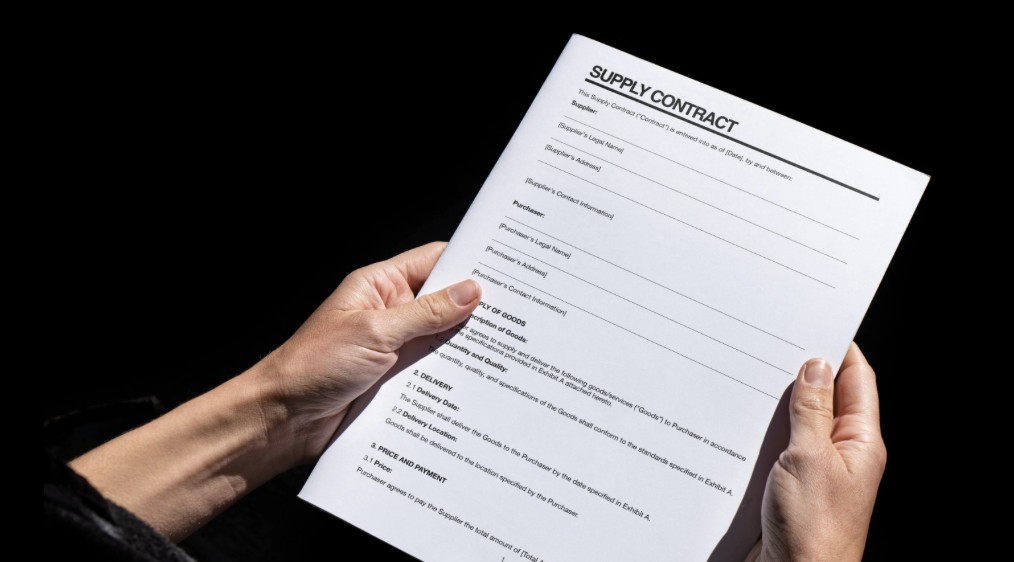
Why a lawyer is not enough and what a negotiator does instead

Professional negotiator. Represents CEOs in situations where failure is not an option. Trains leaders and their teams to protect margin.
Picture a meeting room in the middle of an M&A transaction. On one side sits the business owner with his lawyer, on the other the buyer with their team. The owner's lawyer is excellent, knows contract law in detail, reads every clause three times. And yet something is happening that nobody on the owner's side is tracking: the dynamics of the conversation itself.
Two different skills that are routinely mistaken for one
Legal preparation and negotiation preparation answer different questions. The lawyer asks: is this clause safe for us? The negotiator asks: why is the other side pushing on this clause right now, what does that say about their real position, and what should we do with that information before we react to it?
These are different questions requiring different attention in real time, during the conversation itself. A lawyer focused on the text of the contract naturally has no capacity to simultaneously track when the other side hesitates, when they change tone, when they concede faster than they normally would.
Where exactly the gap appears
In most transactions that gap is left unfilled. The owner runs the conversation himself, with his own emotions, fatigue after months of process and a personal attachment to what he is selling. The lawyer is at the table, but his role is contractual protection. The result: nobody in the room is devoted exclusively to the question of how the negotiation is being conducted right now, only to what is on paper right now.
What representation looks like in practice
A negotiator enters the process without an emotional tie to the company, which lets him see things the owner overlooks under stress or fatigue: the other side's hesitation, the inconsistency between what they say and what they offer, the moment when silence is better than a response. He prepares the off-the-table strategy before each round of negotiation and, during the meeting itself, keeps control of pace and tone, precisely where legal preparation ends its role.
This is not about replacing the lawyer. It is about filling the space that usually stays empty between the legal and the commercial side of a transaction.
Do you want someone at your next negotiation who deals exclusively with this dynamic?
Let the negotiation be led by someone with no emotion in it.
In representation we take over the preparation, the pace and the tone of the negotiation, precisely where legal preparation ends its role.